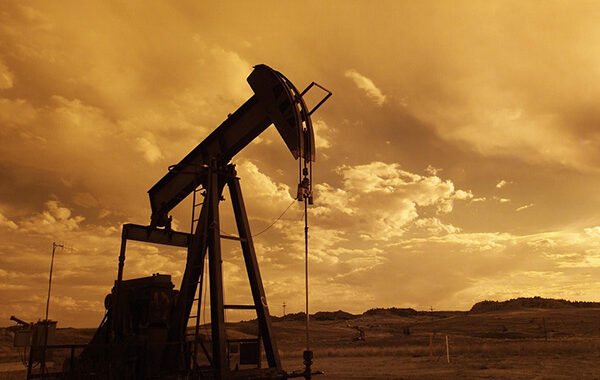

As the world debates renewable energy, petroleum continues to anchor global trade, infrastructure, and economic stability. EMI Holdings examines why oil remains indispensable in the decades ahead.
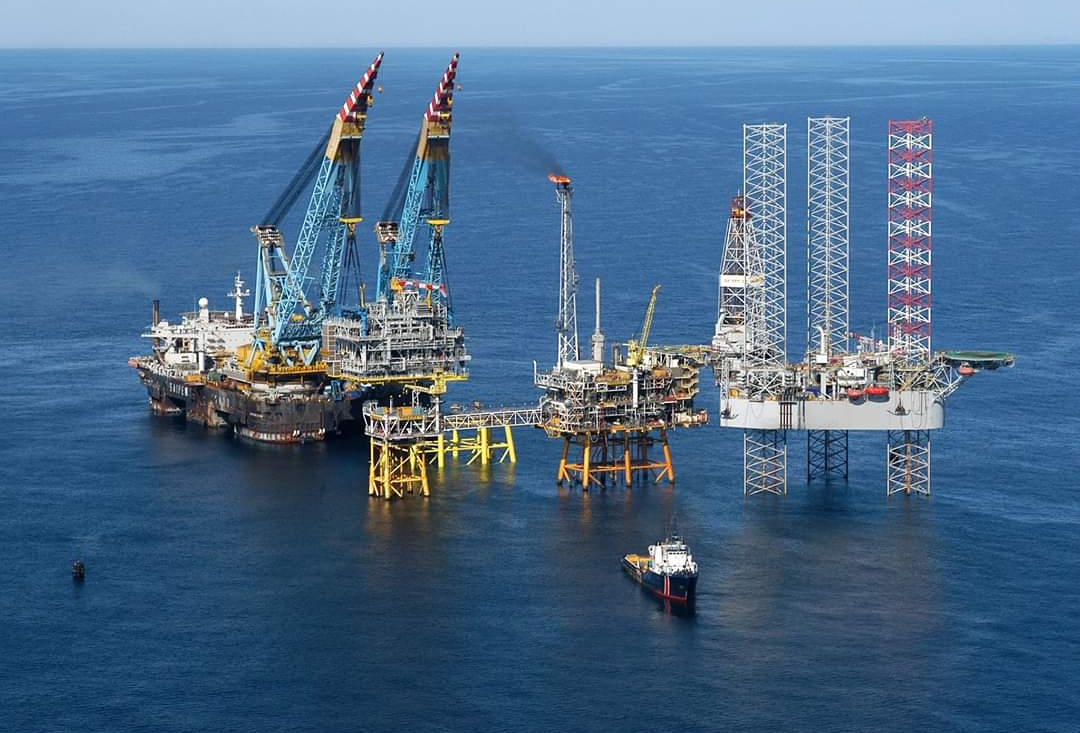
The conversation around energy has never been louder. Governments are pledging net-zero targets. Sovereign wealth funds are reallocating toward renewables. Headlines declare the end of the oil era with increasing frequency.
And yet, global petroleum demand continues to rise.
This is not a contradiction. It is a complexity that those inside the energy industry understand well — and one that demands a more sophisticated analysis than public discourse often allows.
The Demand Reality
According to the International Energy Agency, global oil demand reached record highs in 2023, driven primarily by aviation recovery, petrochemical growth, and expanding industrial activity across Asia and the Middle East. The transition to clean energy, while real and necessary, is not occurring at the pace that would justify any premature disinvestment from petroleum infrastructure.
Developing economies — which account for the majority of the world’s population — are industrialising rapidly. For these nations, petroleum is not a legacy fuel. It is the foundation of economic mobility.
Beyond Fuel: Petroleum as a Raw Material
What is frequently overlooked in the energy debate is that crude oil and its by-products serve far more than combustion. Fertilisers that feed billions. Plastics that protect medical equipment. Lubricants that keep industrial machinery — and therefore global supply chains — operational. The petrochemical derivatives of crude oil are woven into virtually every sector of the modern economy.
At EMI Holdings, our petroleum trading and lubricant manufacturing operations are built on this understanding. The energy sector is not simply about fuel — it is about the foundational materials that make modern life possible.
Strategic Petroleum Trading in a Volatile Market
Price volatility has defined oil markets for decades. Geopolitical shifts, OPEC+ production decisions, and currency fluctuations create an environment where only sophisticated, well-positioned trading entities can operate with consistency and confidence.
Effective petroleum trading requires deep market intelligence, trusted supplier networks, regulatory fluency across multiple jurisdictions, and — critically — the financial discipline to navigate downturns without compromising long-term positioning. These are the competencies that EMI Holdings has developed across more than two decades of international trade operations.
The Road Ahead
The energy transition is real. Renewables will claim an increasing share of global power generation. But the bridge between today’s energy reality and tomorrow’s clean future is longer than most projections suggest — and petroleum will be the most important material on that bridge.
For investors, traders, and corporate entities operating in this space, the opportunity is not in spite of the transition. It is precisely because of the careful navigation it demands.
EMI Holdings operates PETRO EMI LLC, a dedicated entity for the bulk trading of petroleum and petroleum by-products, serving international government and corporate clients with reliability and precision.